
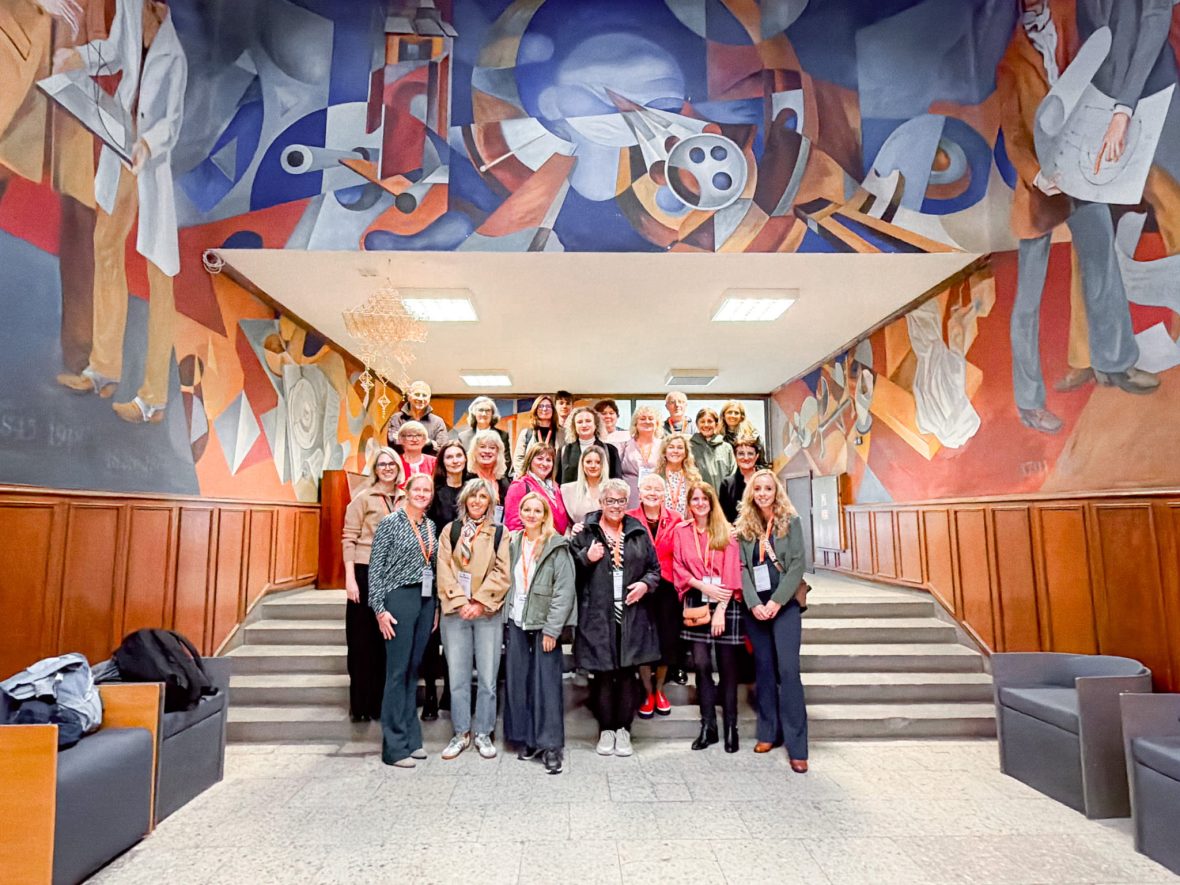

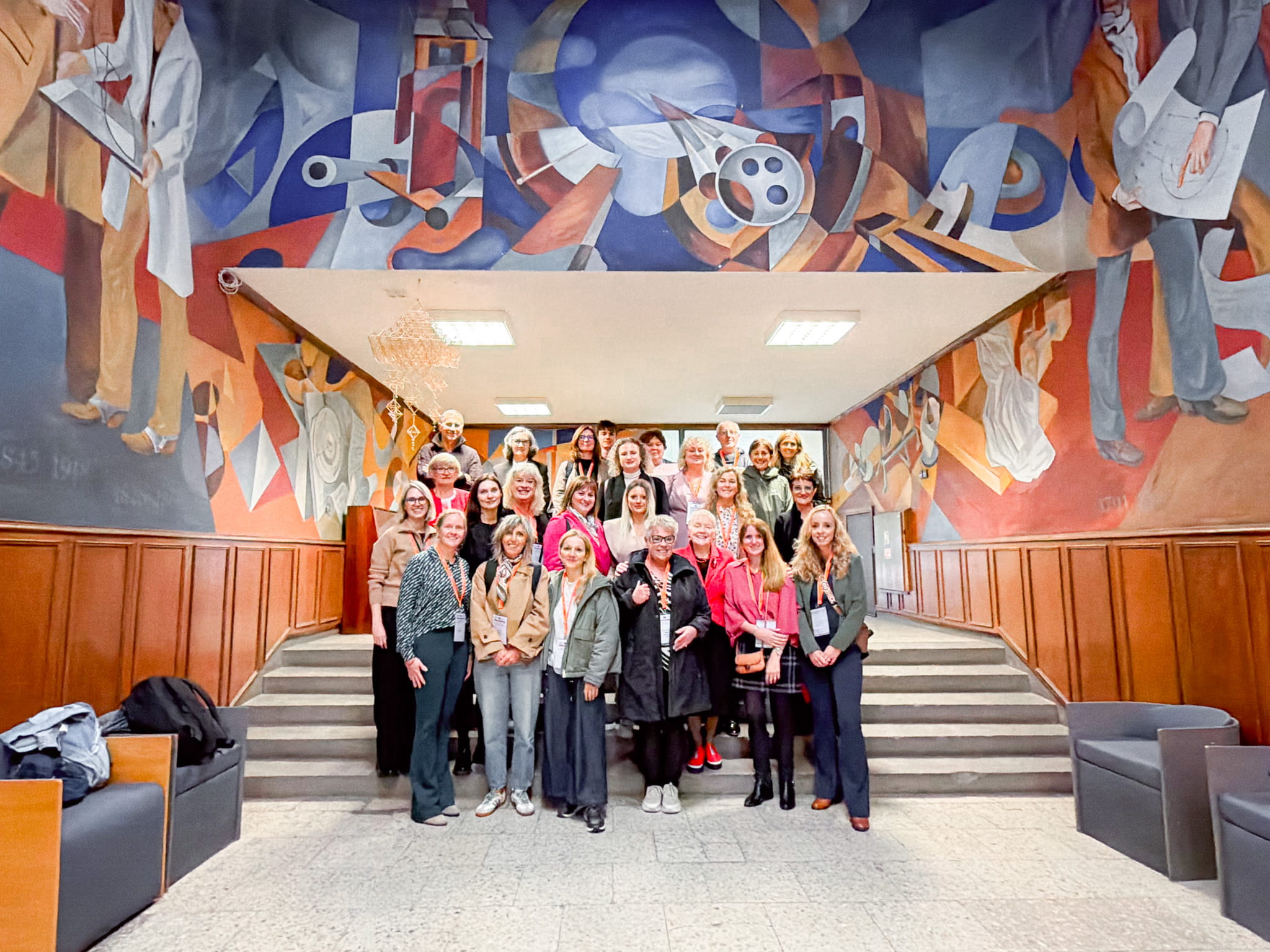
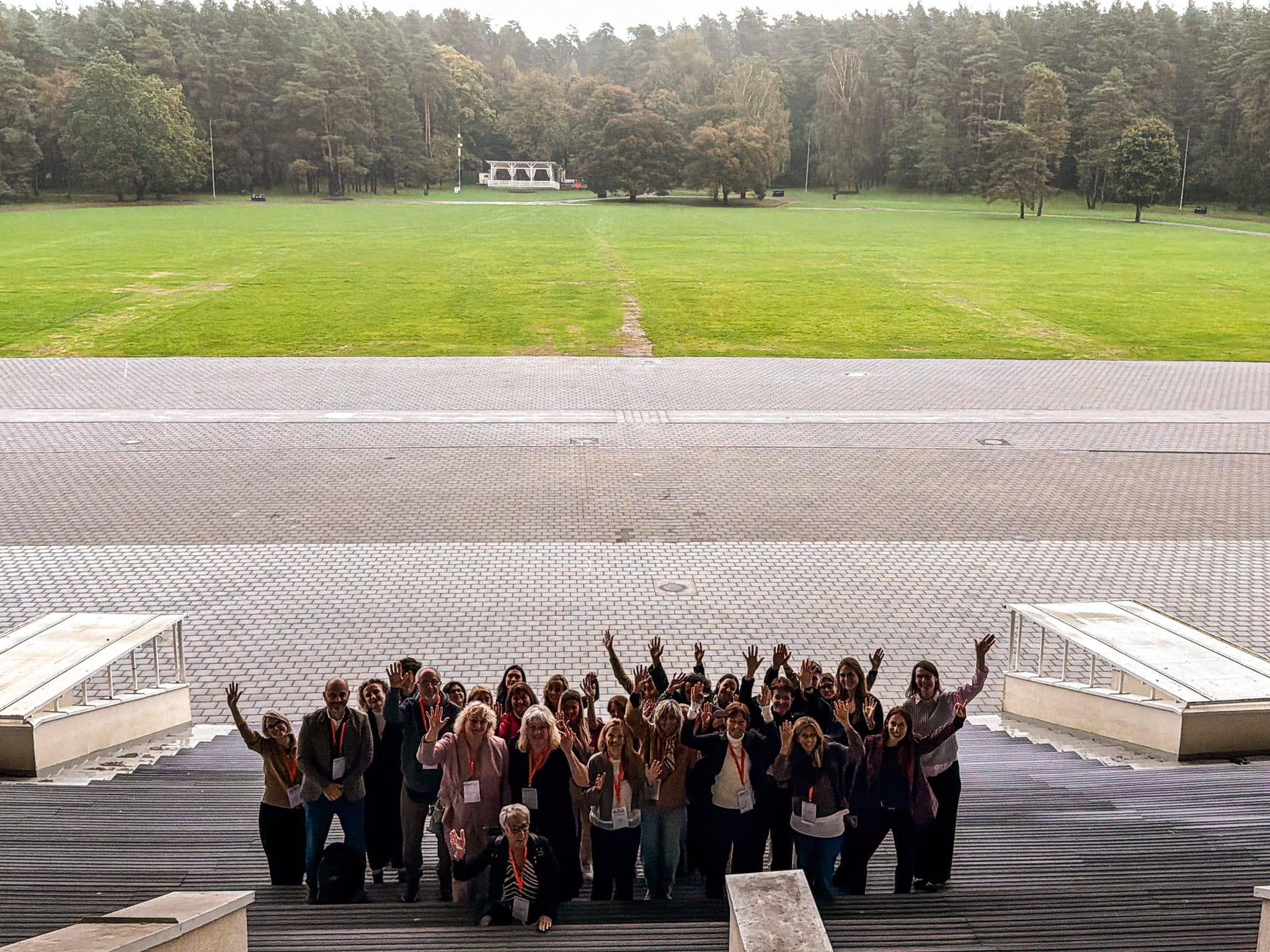
Representatives of the Centre for Development of the East Planning Region, the Municipality of Berovo and the Municipality of Shtip participated in a transnational meeting in Lithuania on 23–24 September 2026, as part of the activities planned under the project ACTAge – Active Ageing Centres: Enhancing Social, Physical, and Mental Health for Elderly Well-Being.
The purpose of the transnational meeting was to explore examples from Lithuania of how increasing life expectancy can result not only in more years of life, but also in greater opportunities for older people to maintain their independence, remain active and stay engaged in society.
The participating representatives had the opportunity to learn about good practices and experiences from Lithuania and other European regions, while also exploring ways to strengthen healthy and active ageing policies and improve the integration of healthcare, social and community-based services.
The Lithuanian practices presented during the two-day transnational meeting demonstrated that solutions for active ageing can take many different forms – from social perscription and lifelong learning to digital literacy, physical activity, volunteering and the involvement of older people in decision-making processes.
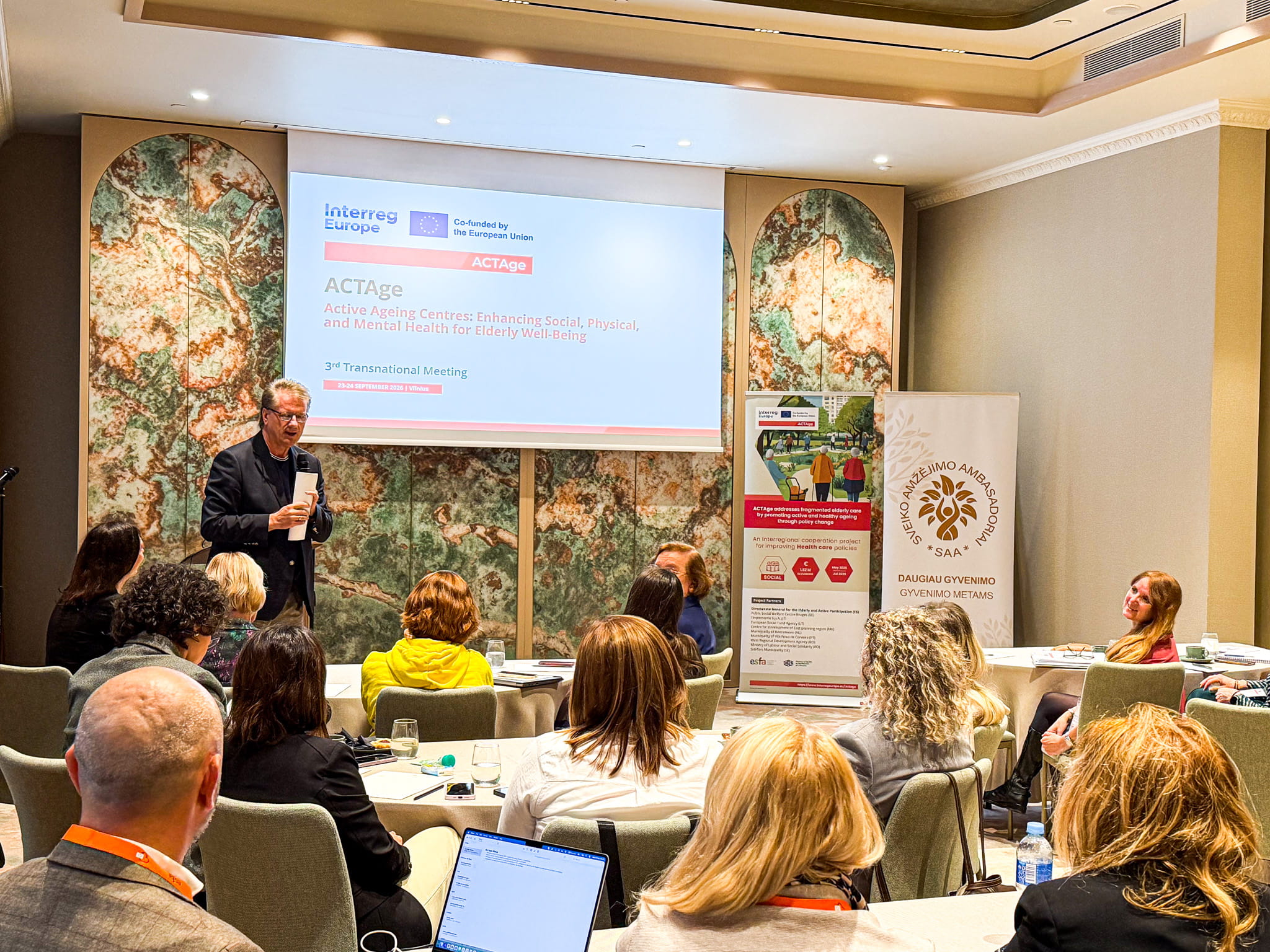
The transnational meeting began with a presentation by a member of the Lithuanian Parliament, who pointed out that although European countries have different healthcare and social systems, they are facing similar demographic trends. The Member of Parliament elaborated on current developments in Lithuanian legislation relevant to the project’s theme and emphasised that a model that works in one country cannot simply be transferred to another. It is therefore essential to learn from one another and adapt solutions to the specific context of each country or region.
Through the presentation of the experience of the Universities of the Third Age, the importance of learning, social interaction and social capital for people over the age of 60 was highlighted. The representatives emphasised that these universities bring together people from diverse professional, educational and personal backgrounds and provide them with opportunities to build relationships, try new activities and reduce social isolation.
The experience shared by the Lithuanian Pensioners’ Union “Bočiai” further confirmed that active ageing is inseparably linked to participation in community life. The organisation’s activities include cultural and educational activities, volunteering, civic advocacy and community initiatives.
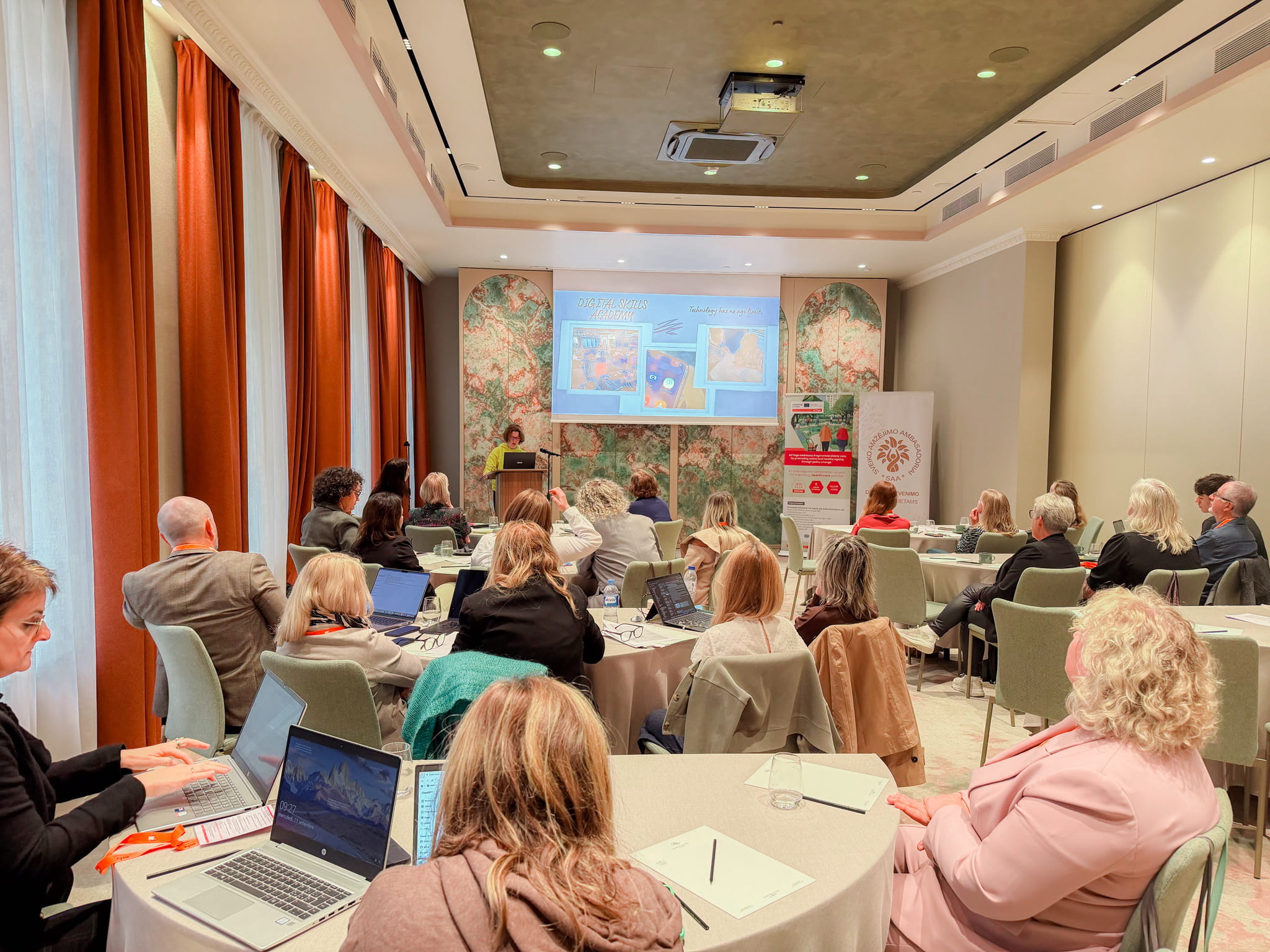
In addition, an initiative implemented by a non-governmental organisation providing digital literacy activities for older people was presented. During these sessions, older people learn how to use smartphones, computers and digital services, while young volunteers assisting with the training contribute to strengthening intergenerational relationships.
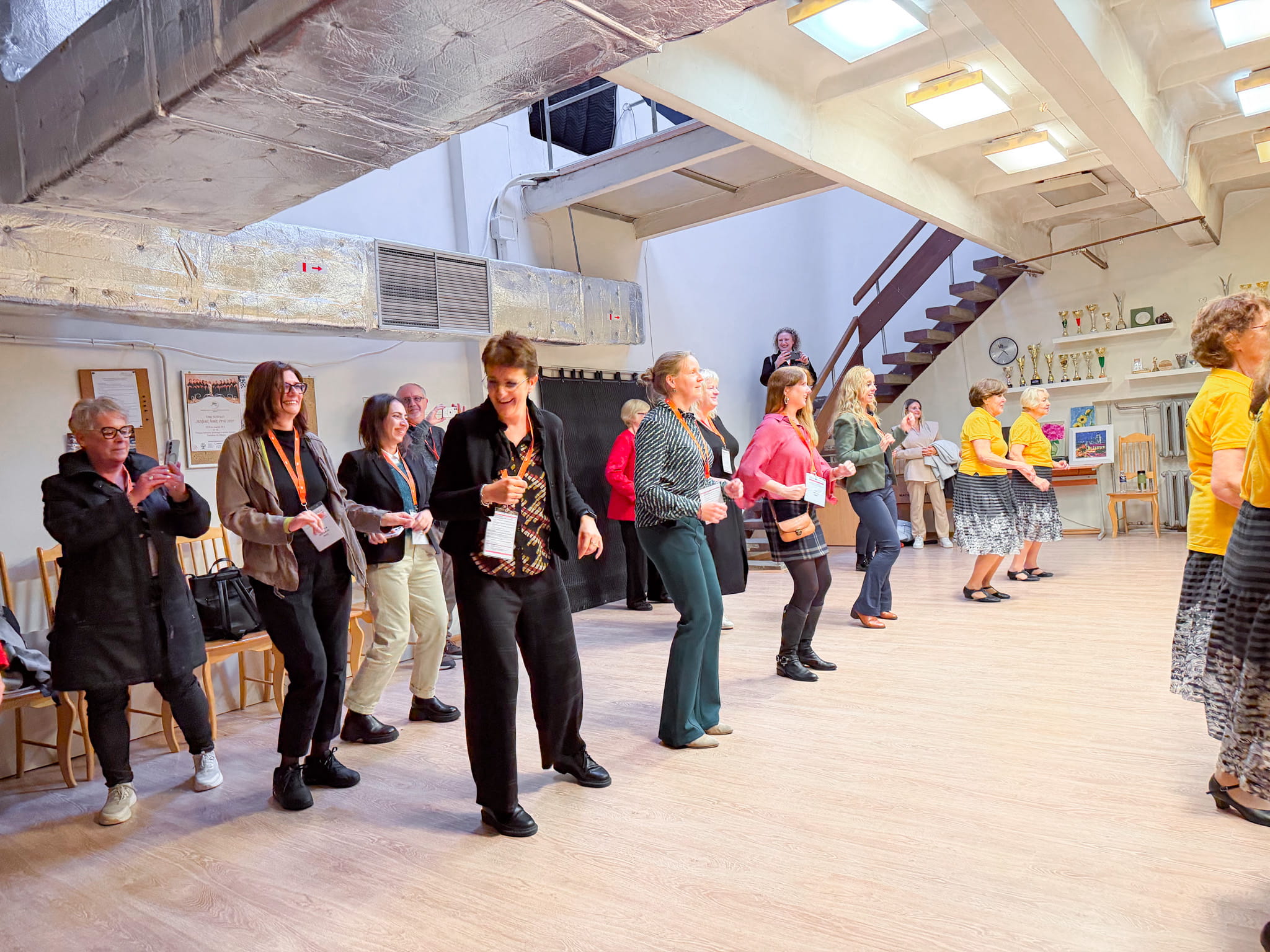
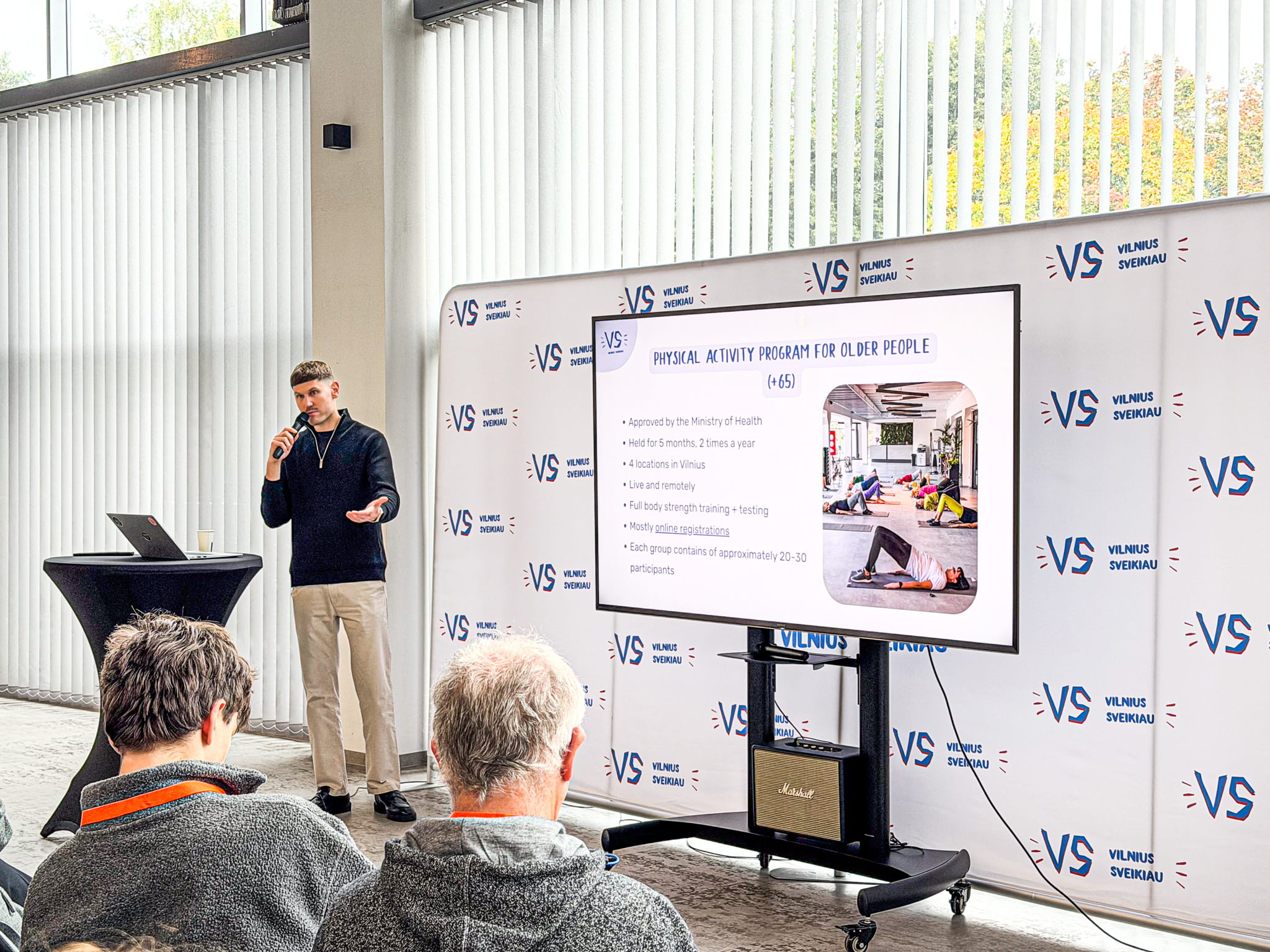
Among the practical examples, the participants also visited the Vilnius Public Health Bureau, which carries out activities aimed at improving public health and preventing diseases at the municipal level. Programmes designed for older people place a strong emphasis on physical activity, psychological well-being, social inclusion and the development of healthy lifestyle and nutrition habits.
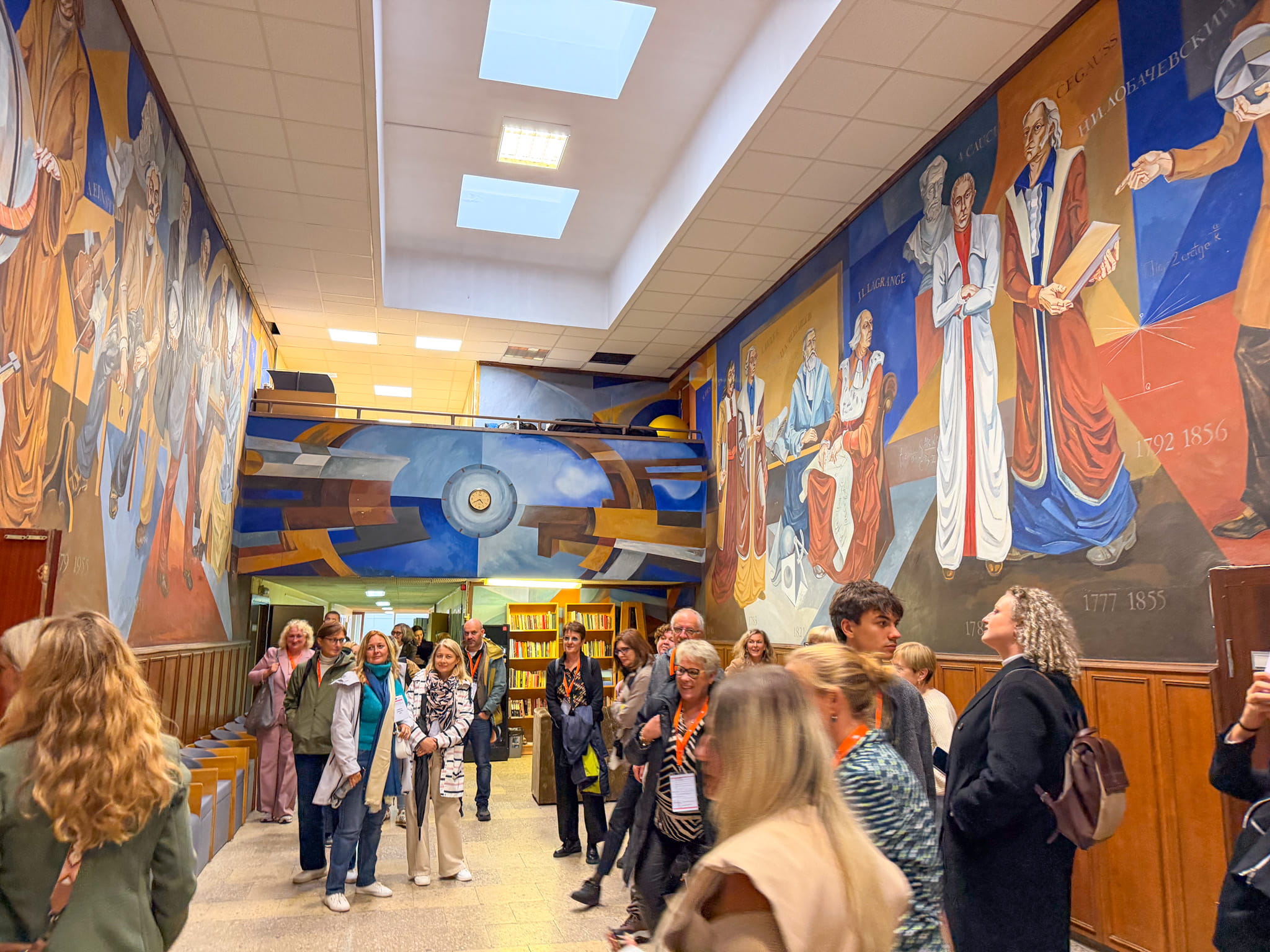
Another transnational meeting visit was organised at the Medardas Čobotas University of the Third Age, an institution dedicated to the education of people over the age of 55. Its activities focus not only on learning, but also on the social integration of older people, their active participation and opportunities to remain an integral part of the community.
The project partners also had the opportunity to present good practices from their respective countries related to active ageing. The Centre for Development of the East Planning Region presented the example of the Elderly home “Dr. Ivan Vlashki” in Berovo, demonstrating how the services of an elderly care home can be expanded from a residential facility into an institution providing a broader range of services aimed at improving the psychological and physical health of older people.
The examples presented by the other project partners demonstrated different ways in which the principles of active ageing are being implemented: from elderly care institutions – where, in addition to care services, conditions are created for physical activity, social interaction and engagement – to local networks of healthcare and social services connecting municipalities, professionals, the non-governmental sector and volunteers.
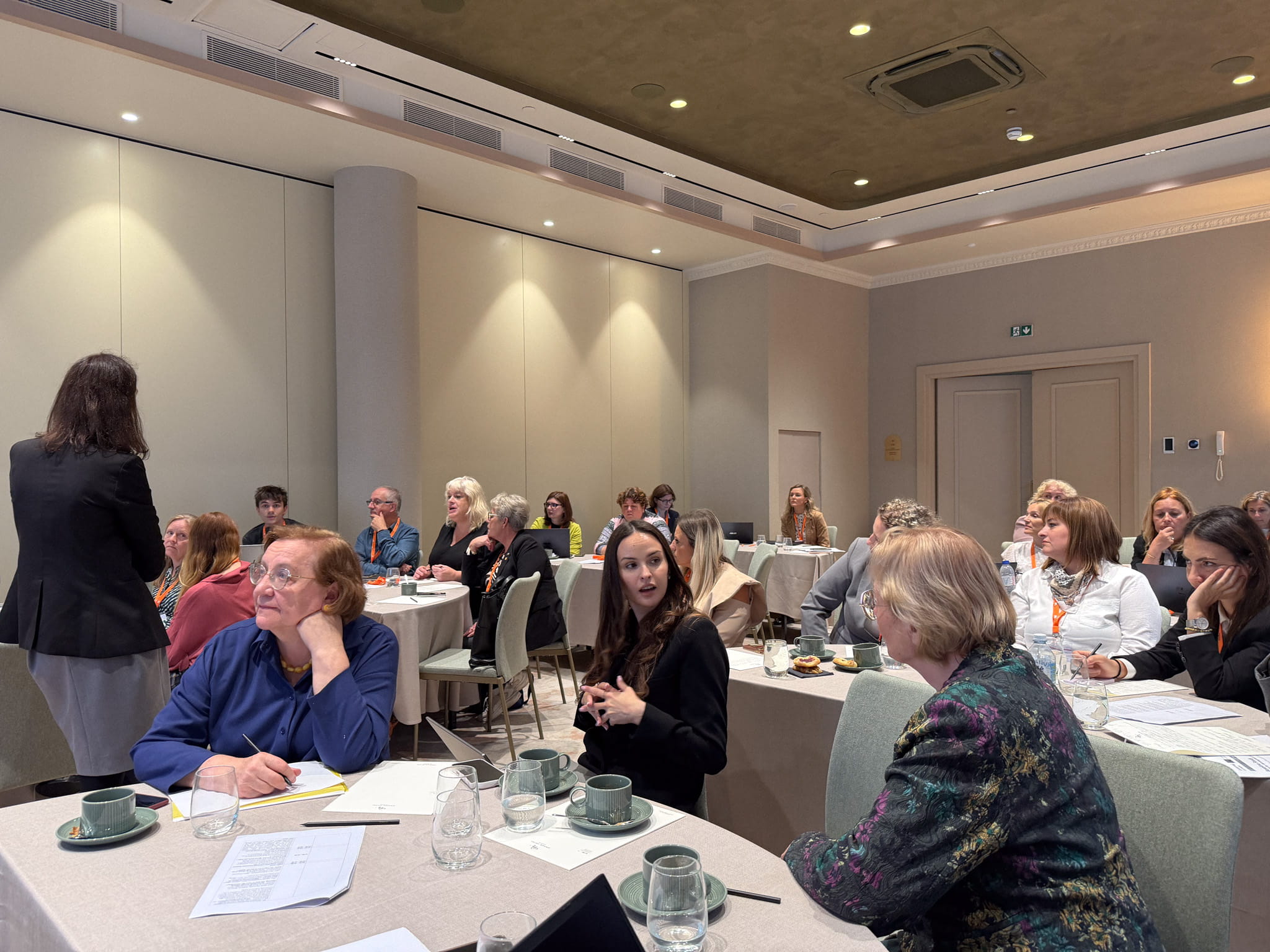
In addition to providing an opportunity to exchange knowledge and experiences related to active ageing, the two-day meeting also included a steering committee of the project involving the project teams of all partners, during which the challenges related to project implementation, future steps and financial aspects were discussed.
The project ACTAge – Active Ageing Centres: Enhancing Social, Physical, and Mental Health for Elderly Well-Being is funded by the Interreg Europe programme and is implemented in partnership with nine other organisations.

No comment yet, add your voice below!